


How to Pick the Best Piston Rod Material: A Simple Guide for Hydraulic Engineers
Choosing a piston rod material is a decision that affects how long your cylinder lasts and how often your customers will call you for repairs.
For most hydraulic cylinder manufacturers, the choice comes down to three common steel grades: CK45, 20MnV6, 38MnVS6 and 42CrMo4. This guide will help you understand which one you actually need and how to avoid the hidden costs of picking the wrong material.
1. The Material Lineup: From Standard to Heavy-Duty
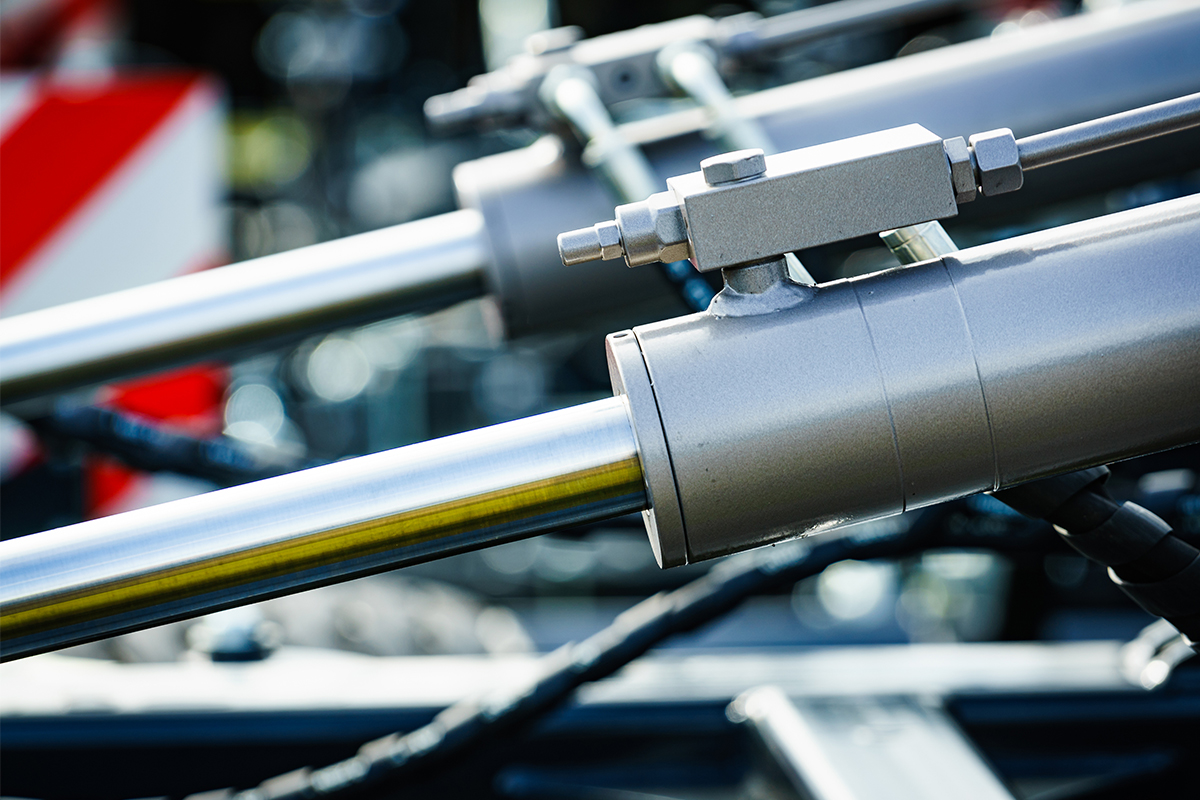
CK45 (AISI 1045) –The Reliable Standard
This is the standard steel. It’s a medium-carbon steel used for standard hydraulic applications.
- Best for: Agricultural machinery, light loaders, and standard industrial cylinders.
- Why use it: It’s very cost-effective, easy to machine, and responds well to induction hardening.
- The Trade-off: It has lower fatigue resistance, meaning it might not hold up as well under constant, high-pressure repetitive cycles.
 |
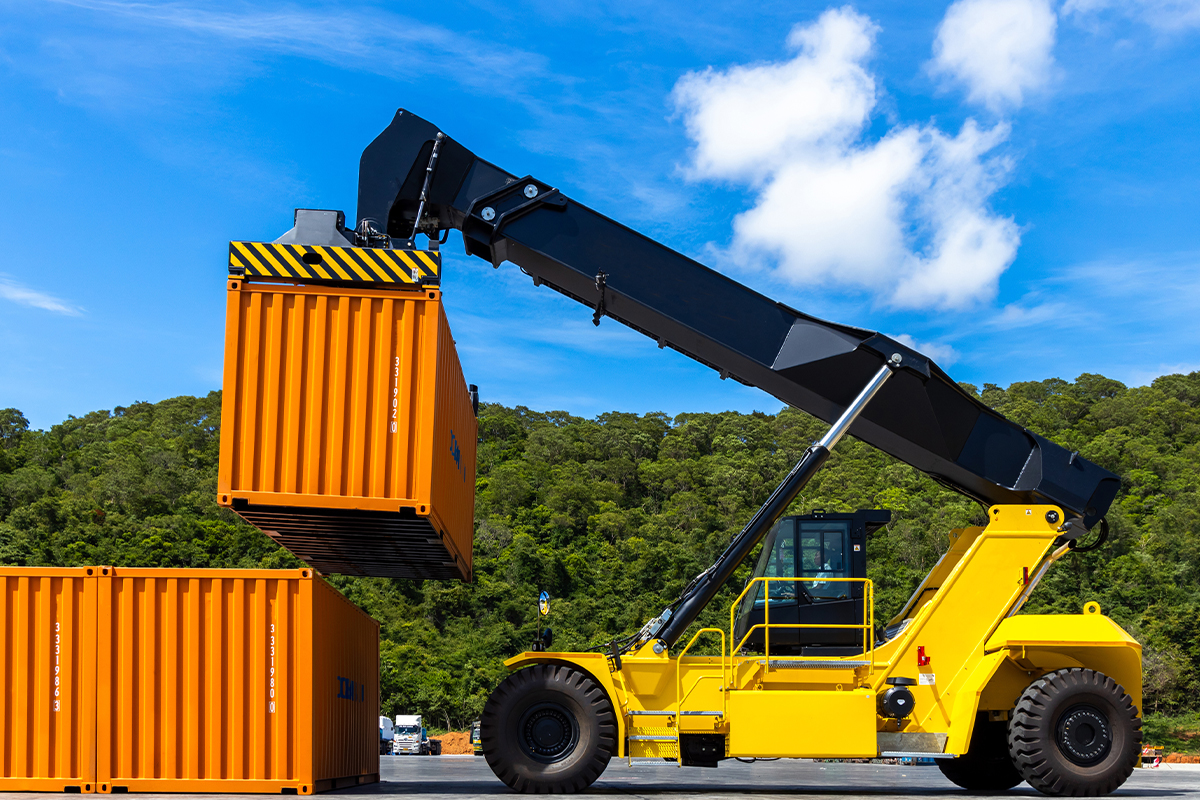
20MnV6 – The "Better Performance" Step-Up
A micro-alloyed steel that offers a significant step up from CK45. The addition of Vanadium improves its strength and toughness.
- Best for: High-cycle cylinders and long-stroke applications.
- Why use it: It has a higher yield strength than CK45 and better fatigue life. It stays very straight during processing, which reduces assembly "headaches."
- The Benefit: It’s an affordable way to get better performance without jumping to a full alloy steel price.
 |
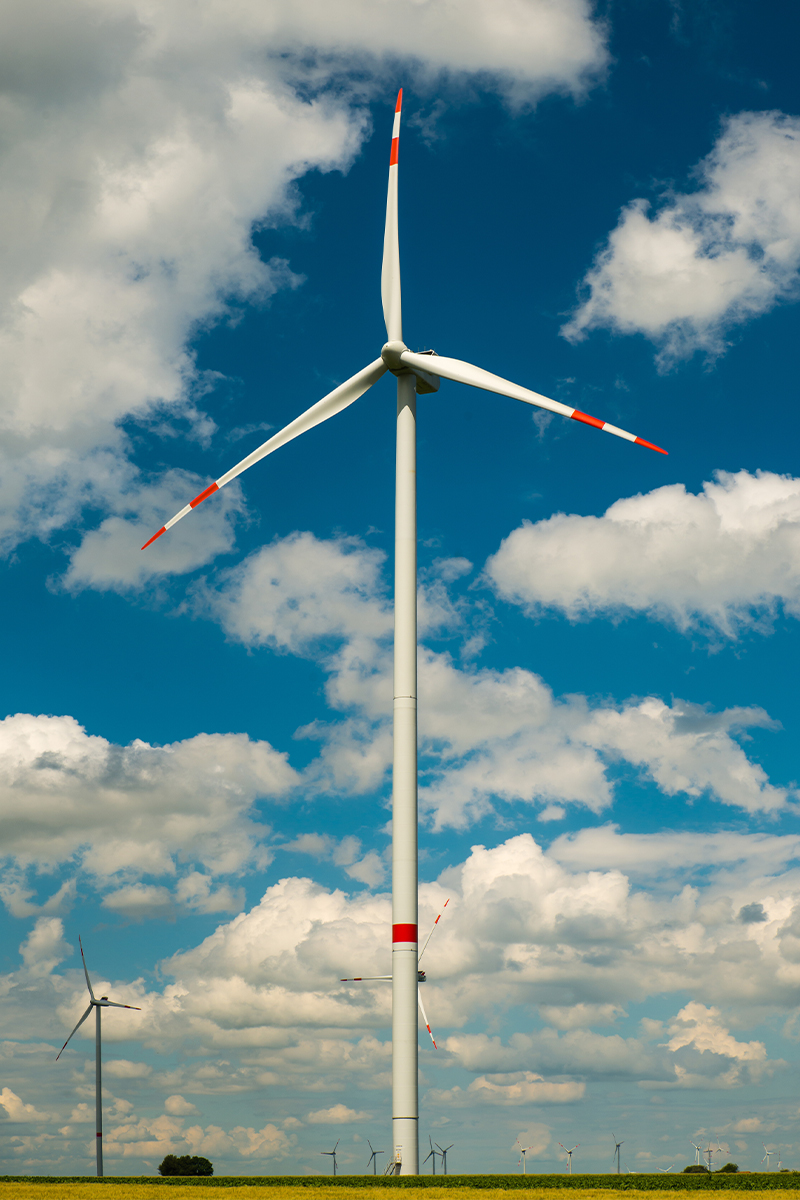
38MnVS6 – The Strength and Stability Specialist
This is another micro-alloyed steel, but it is specifically designed to offer high strength without quenching and tempering.
- Best for: High-stress components where dimensional stability is critical.
- Why use it: It offers mechanical properties similar to some alloy steels but is much easier to machine. It doesn't require extra heat treatment to reach its strength, there is less internal stress in the material.
- The Benefit: Great for engineers who need high yield strength and a very stable rod that won't warp or bend during the manufacturing process.
 |
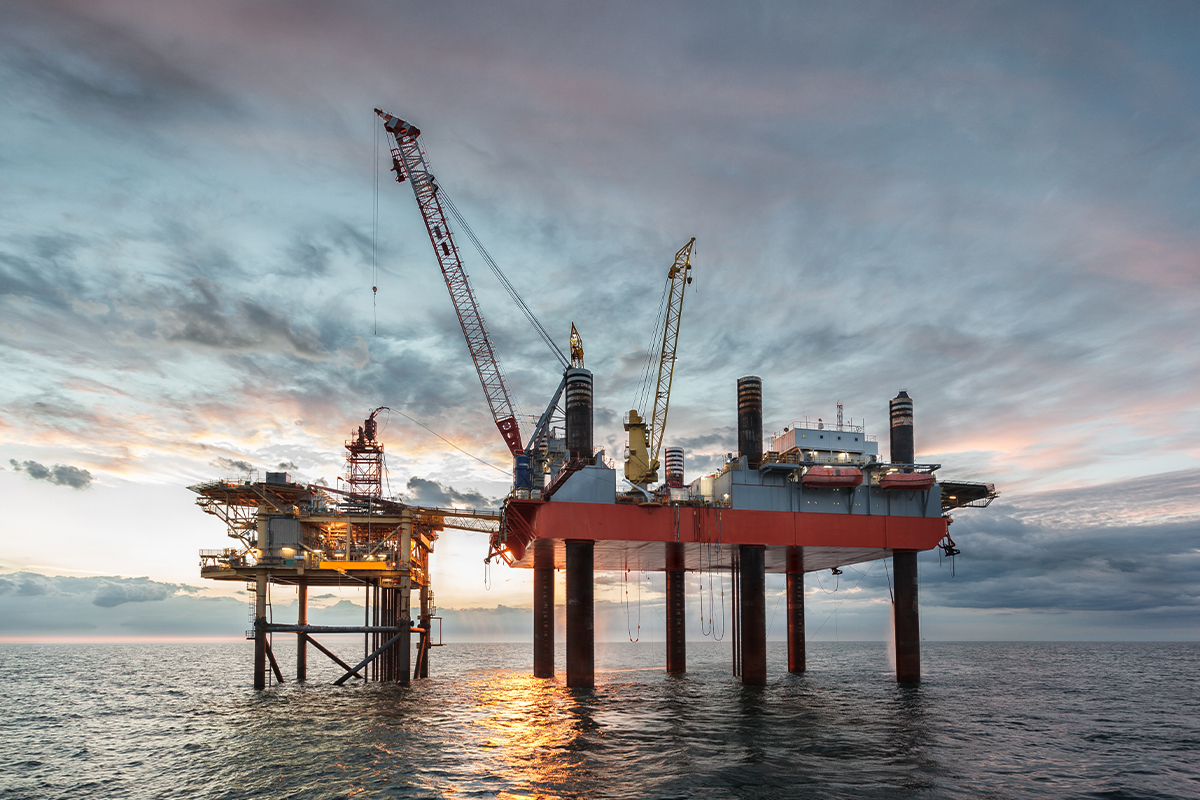
42CrMo4 (AISI 4140) – The Heavy-Duty King
This is a high-strength alloy steel, usually "Quenched and Tempered" (Q&T) for maximum toughness.
- Best for: Mining, offshore equipment, and very high-pressure systems (>250 bar).
- Why use it: It’s incredibly tough. It resists bending and impact loads that would snap other steels.
- The Trade-off: It is the most expensive option and is more difficult (and slower) to machine.
 |
2. Avoiding the "Hidden Costs" of a Cheap Choice
It’s tempting to always go with the cheapest steel, but that often leads to hidden costs that show up after the sale:
Field Failures: If a rod bends or snaps on a customer’s job site, the cost of the repair (labor, travel, and replacement parts) can be 20 times the cost of the original piston rod.
Premature Leakage: Weaker steels can flex more under load, causing uneven pressure on the seals. This leads to leaks, downtime, and a bad reputation for your brand.
Manufacturing Scrap: Some lower-grade steels warp during induction hardening. If you have to throw away 5% of your rods because they aren't straight, you aren't really saving money.
3. Comparison Table
| Machine Type | Recommended Material | Main Benefit: |
|---|---|---|
| Standard / Agricultural | CK45 | Best cost-to-performance for low-pressure. |
| High-cycle / Long-stroke | 20MnV6 | Better strength without high cost. |
| High-Strength / Precision | 38MnVS6 | High yield strength, great stability. |
| Heavy-duty / Mining | 42CrMo4 | Maximum toughness for extreme safety. |
Engineering FAQ:
Q: Is CK45 good enough for most jobs?
Yes, for most standard agricultural and light construction jobs, CK45 is perfectly fine. You only need to upgrade if your system operates under high pressure or constant, repetitive movement.
Q: Why does 20MnV6 help with long cylinders?
Long cylinders are at risk of "buckling" (bending under pressure). 20MnV6 is stronger than CK45, allowing you to build a safer, more stable cylinder without making it much heavier.
Q: When should I choose 38MnVS6 over 20MnV6?
If your design requires even higher yield strength but you want to avoid the machining difficulties of 42CrMo4, 38MnVS6 is the perfect choice. It’s particularly good for parts that need to stay perfectly straight through multiple machining steps.
Q: Does the material type affect the chrome plating?
The chrome plating itself looks the same on all these steels. However, the induction hardened layer underneath is influenced by the steel grade. Higher alloy steels like 42CrMo4 or 38MnVS6 can achieve a deeper, more consistent hardness, which better protects the chrome from external impacts.
Q: Does Golden Asia provide all these materials?
Yes. We supply CK45, 20MnV6, 38MnVS6 and 42CrMo4. We also handle the induction hardening, precision grinding and chrome plating, so you get a "ready-to-use" rod that meets your exact specs.
Conclusion: Don’t Just Buy Steel, Buy Reliability
Picking the right material is about matching the steel to the job. Using CK45 saves money where it counts, but using 20MnV6 or 42CrMo4 protects you when the work gets tough.
At Golden Asia, we help you avoid the hidden costs of failure by providing the right material with the highest precision in the industry.
- Induction Hardened Chrome Plated Round Bars for Hydraulic Cylinders — Solving OEM Pain Points
- Powering Automation with Hydraulic Precision: Golden Asia at PTC ASIA 2025
- Chrome plated bar and tubes ISO fit selection guide
- GOLDEN ASIA- Pioneer of Evolution in Industrial of Hydraulic Cylinder
- Hydraulic Cylinder Barrel Quality—How Honed Tube Texture and Strength Dictate Hydraulic Cylinder Efficiency and Lifetime
- Why Hard Chrome Piston Rods and Honed Tubes Must Be Treated as a Single Functional Set
- How to Choose a Pneumatic Cylinder and Hydraulic Cylinder
- Precision Seamless Honed Tubes for Hydraulic and Pneumatic Cylinders — Reduce Seal Wear and Dimensional Rework